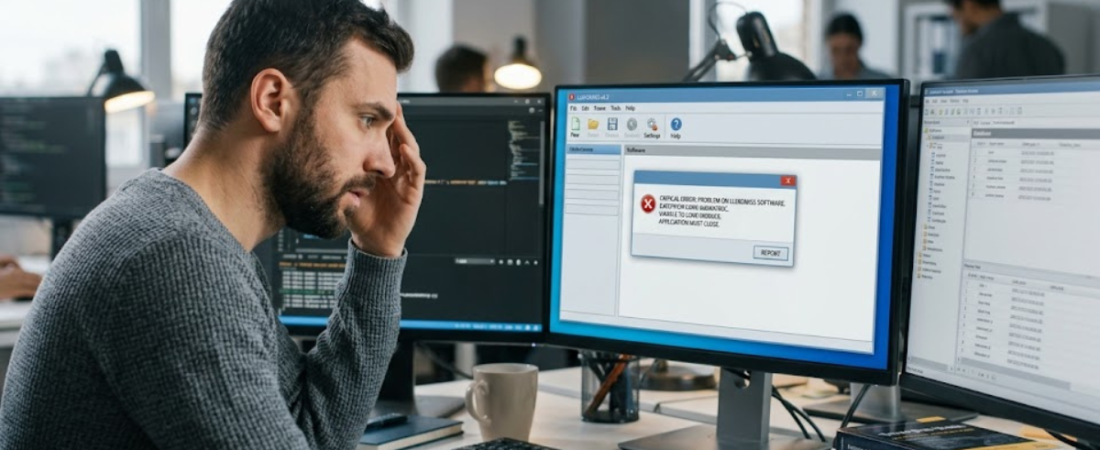
Software problems can be frustrating, especially when an application suddenly stops working, displays an unexpected error message, or refuses to run code correctly. If you’ve been searching for information about a problem on Llekomiss software, you’re likely trying to diagnose a technical issue and find a reliable solution.
Whether you’re encountering the error Llekomiss, experiencing a Llekomiss run code problem, or troubleshooting a Python Llekomiss code issue, understanding the underlying causes is the first step toward resolving the problem.
This guide explores common software troubleshooting techniques, potential causes of execution errors, and practical solutions that can help restore functionality.
Understanding the Problem on Llekomiss Software
The phrase problem on Llekomiss software can refer to several different technical issues, including:
- Application startup failures
- Runtime errors
- Code execution problems
- Configuration conflicts
- Compatibility issues
- Missing dependencies
- Performance problems
Because software environments vary from one system to another, identifying the exact symptoms is essential before attempting a fix.
Common Signs of Llekomiss Software Errors
Users often report software issues through symptoms rather than specific error codes.
Common indicators include:
- Program crashes during startup
- Unexpected shutdowns
- Error messages appearing on screen
- Slow performance
- Failed code execution
- Missing files or resources
- Installation failures
Recognizing the pattern of the issue can significantly speed up troubleshooting.
The Error Llekomiss: Possible Causes
When users encounter the error Llekomiss, the root cause may vary depending on the software version and operating environment.
Configuration Problems
Incorrect settings are among the most common causes of software errors.
Potential issues include:
- Invalid configuration files
- Incorrect system paths
- Missing environment variables
- Corrupted preferences
Even minor configuration mistakes can prevent applications from functioning properly.
Missing Dependencies
Modern software often relies on external libraries and components.
Common dependency issues include:
- Missing runtime packages
- Outdated libraries
- Incompatible modules
- Incomplete installations
If required components are unavailable, software may fail to launch or execute tasks.
Version Compatibility Conflicts
Compatibility issues frequently occur when:
- Operating systems are updated
- Libraries change versions
- Software upgrades introduce new requirements
Ensuring all components work together is critical for stability.
Llekomiss Run Code Issues
One of the most common user concerns involves Llekomiss run code problems.
When software fails to execute code correctly, several factors may be responsible.
Syntax Errors
Coding mistakes remain one of the most frequent causes of execution failures.
Examples include:
- Missing brackets
- Incorrect indentation
- Typographical errors
- Invalid commands
Even a single character can prevent successful execution.
Permission Restrictions
Applications may require specific permissions to:
- Access files
- Write data
- Execute scripts
- Communicate with external services
Insufficient permissions often trigger runtime errors.
Resource Limitations
Code execution may fail due to:
- Low memory availability
- CPU constraints
- Storage limitations
- Network interruptions
Monitoring system resources can help identify these issues.
Python Llekomiss Code Issue: Troubleshooting Guide
If you’re facing a Python Llekomiss code issue, several Python-specific factors should be examined.
Verify Python Version Compatibility
Different Python versions may behave differently.
Check:
- Python installation version
- Required software documentation
- Supported interpreter versions
A mismatch can lead to unexpected behavior.
Inspect Module Dependencies
Python projects often rely on third-party packages.
Common problems include:
- Missing packages
- Incorrect package versions
- Dependency conflicts
Using virtual environments can help isolate and manage dependencies effectively.
Review Error Logs
Error messages often contain valuable diagnostic information.
Pay attention to:
- Tracebacks
- Line numbers
- Exception types
- Module names
Logs frequently reveal the exact source of the problem.
How to Diagnose Software Problems Systematically
Troubleshooting becomes easier when approached methodically.
Step 1: Reproduce the Error
Attempt to consistently recreate the issue.
Ask:
- What action triggers the problem?
- Does it happen every time?
- Is it tied to a specific feature?
Step 2: Document Error Messages
Record:
- Error codes
- Warning messages
- Screenshots
- Log outputs
Accurate documentation speeds up diagnosis.
Step 3: Check Recent Changes
Consider recent modifications such as:
- Software updates
- Configuration changes
- New installations
- Operating system updates
Many issues originate after environmental changes.
Step 4: Test in a Clean Environment
Running the software in a fresh environment can help isolate the problem.
This may involve:
- Reinstalling the software
- Creating a new user profile
- Using a virtual machine
- Testing on another device
Best Practices to Prevent Future Errors
Preventive maintenance can reduce the likelihood of future software issues.
Keep Software Updated
Updates often include:
- Security patches
- Bug fixes
- Performance improvements
Regular maintenance improves reliability.
Back Up Configurations
Save copies of:
- Settings files
- Configuration data
- Project files
Backups simplify recovery when problems occur.
Monitor Dependencies
Regularly verify:
- Library versions
- Compatibility requirements
- Package updates
Dependency management is particularly important for development environments.
Maintain System Health
Healthy systems experience fewer software issues.
Recommended practices include:
- Removing unused applications
- Monitoring disk space
- Running security scans
- Updating drivers
Common Mistakes During Troubleshooting
Many users unintentionally make troubleshooting more difficult.
Avoid:
- Ignoring error messages
- Changing multiple settings simultaneously
- Skipping backups
- Installing random fixes without verification
- Overlooking log files
A structured approach usually produces better results.
Frequently Asked Questions
What is the problem on Llekomiss software?
The phrase generally refers to technical issues affecting software functionality, including startup failures, configuration problems, or code execution errors.
What causes the error Llekomiss?
Possible causes include configuration issues, missing dependencies, compatibility conflicts, corrupted files, or resource limitations.
Why does Llekomiss run code fail?
Code execution may fail because of syntax errors, missing permissions, dependency conflicts, or insufficient system resources.
How can I fix a Python Llekomiss code issue?
Check Python version compatibility, verify installed dependencies, review error logs, and test the code in a clean environment.
Should I reinstall the software?
Reinstallation may help if files have become corrupted or the installation was incomplete. However, diagnostic steps should be performed first.
What is the best way to troubleshoot software errors?
A systematic approach involving error documentation, log analysis, configuration review, and environment testing is usually the most effective method.
Conclusion
Encountering a problem on Llekomiss software can be frustrating, but most issues can be resolved through careful troubleshooting and systematic analysis. Whether you’re dealing with the error Llekomiss, a Llekomiss run code failure, or a Python Llekomiss code issue, identifying the root cause is the key to finding an effective solution.
By reviewing error messages, checking dependencies, validating configurations, and maintaining a healthy software environment, users can significantly reduce downtime and improve system reliability. The next time an issue appears, approach it methodically, document the symptoms, and work through the troubleshooting process step by step for the best results.